

In finishing Luke’s Gospel, we see that the Resurrection is not a ghostly myth but a physical reality that affirms the goodness of our own bodies and our physical presence in the world. We recognize that Jesus opens our minds … Continue reading

In finishing Luke’s Gospel, we see that the Resurrection is not a ghostly myth but a physical reality that affirms the goodness of our own bodies and our physical presence in the world. We recognize that Jesus opens our minds … Continue reading
The walk to Emmaus provides a powerful template for how we encounter the resurrected Christ in the midst of our own ordinary, and often discouraged, journeys. As Cleopas and his companion walked away from Jerusalem, trapped in the “we had … Continue reading
As we sit with the early morning rain today, I’m leaning into that powerful question the angels asked the women at the tomb: “Why do you look for the living among the dead?” It’s a challenge for all of us … Continue reading
In reflecting on the death and burial of Jesus in Luke 23, we see a profound contrast between those who viewed the crucifixion as a mere “spectacle” and those who responded with genuine faithfulness and sacrifice. We recognize that while … Continue reading
In Luke 23, we see the profound theme of mercy unfolding through the final moments of Jesus’ life. From the physical burden shared by Simon of Cyrene to the spiritual grace extended to those mocking and crucifying Him, Jesus consistently … Continue reading
In examining the exchange between Pilate, Jesus, and the crowd in Luke 23, we see the dangerous consequence of choosing political convenience over moral truth. We recognize that by demanding the release of Barabbas—a violent Zealot—and the crucifixion of Jesus, … Continue reading
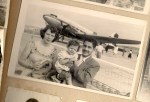
When my Mama passed away, nearly two years ago, I went through the traditional rituals we do here in the South. Going home, having the funeral, meal at the church, everything, all of us have done, or will do. There … Continue reading
In examining the interrogations of Jesus by Pilate and Herod in Luke 23, we recognize the human tendency to view Christ through the lens of our own personal interests and convenience. We see that while Pilate sought political peace and … Continue reading
In reflecting on the mockery and trial of Jesus in Luke 22, we see the profound power of His restraint and His unwavering commitment to the Father’s mission. We recognize that while we often feel a natural impulse to defend … Continue reading
In reflecting on Jesus’ prayer in Gethsemane, we see the profound depth of His humanity and the intensity of His spiritual struggle. We recognize that Jesus’ plea to “remove this cup” validates our own moments of weakness and fear, showing … Continue reading
 RevAndy.org